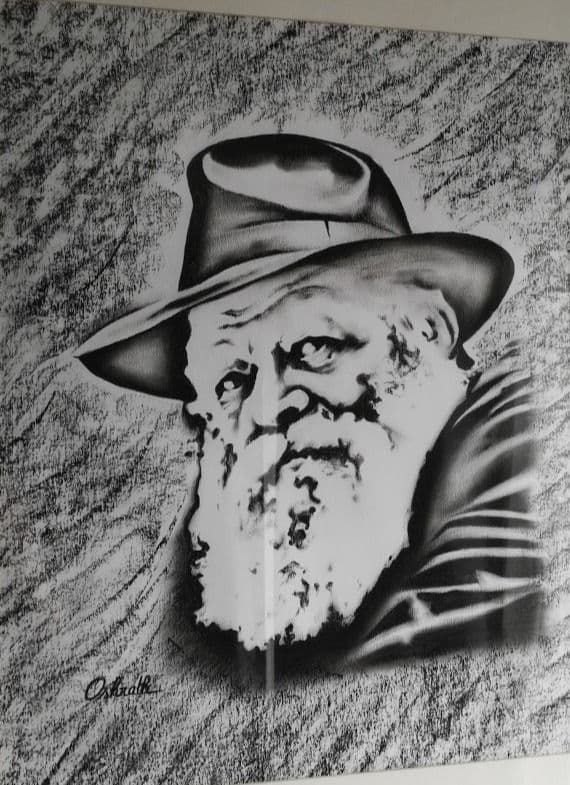
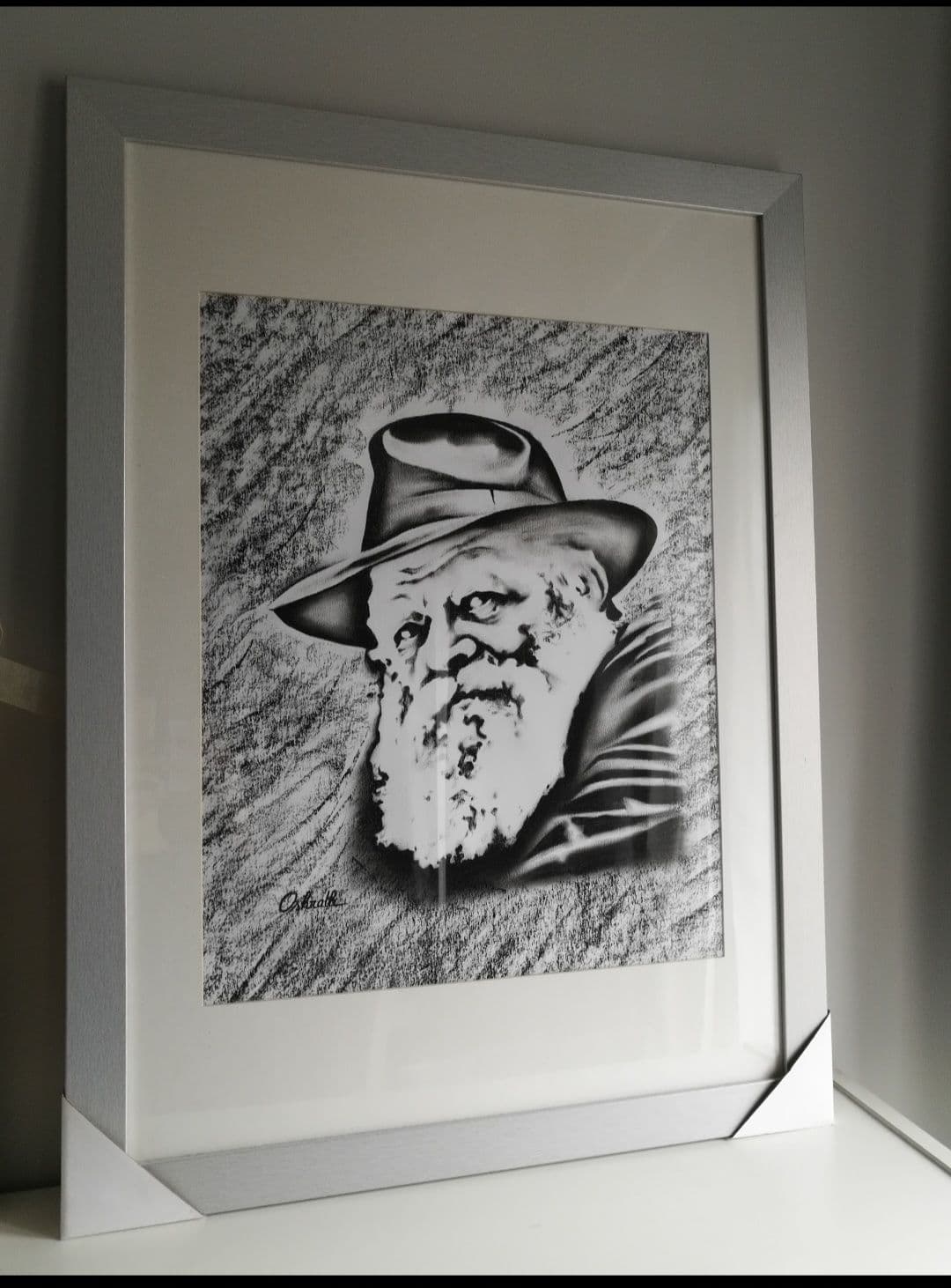
A pencil portrait of the Rebbe: from photograph to frame
Choosing the right photograph, building the beard stroke by stroke, keeping the light in the eyes: the stages of a graphite portrait of the Rebbe, and what makes the difference.
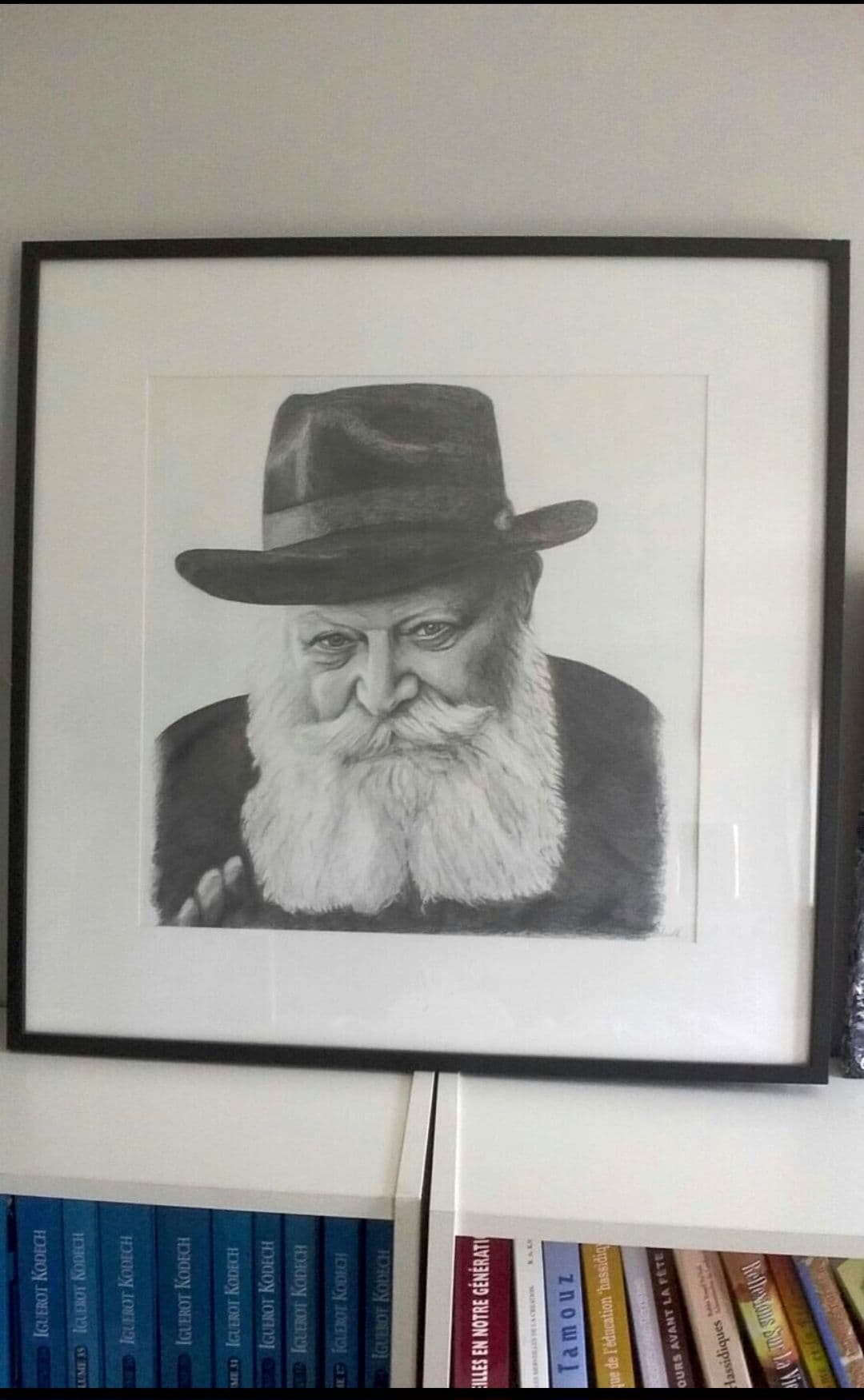
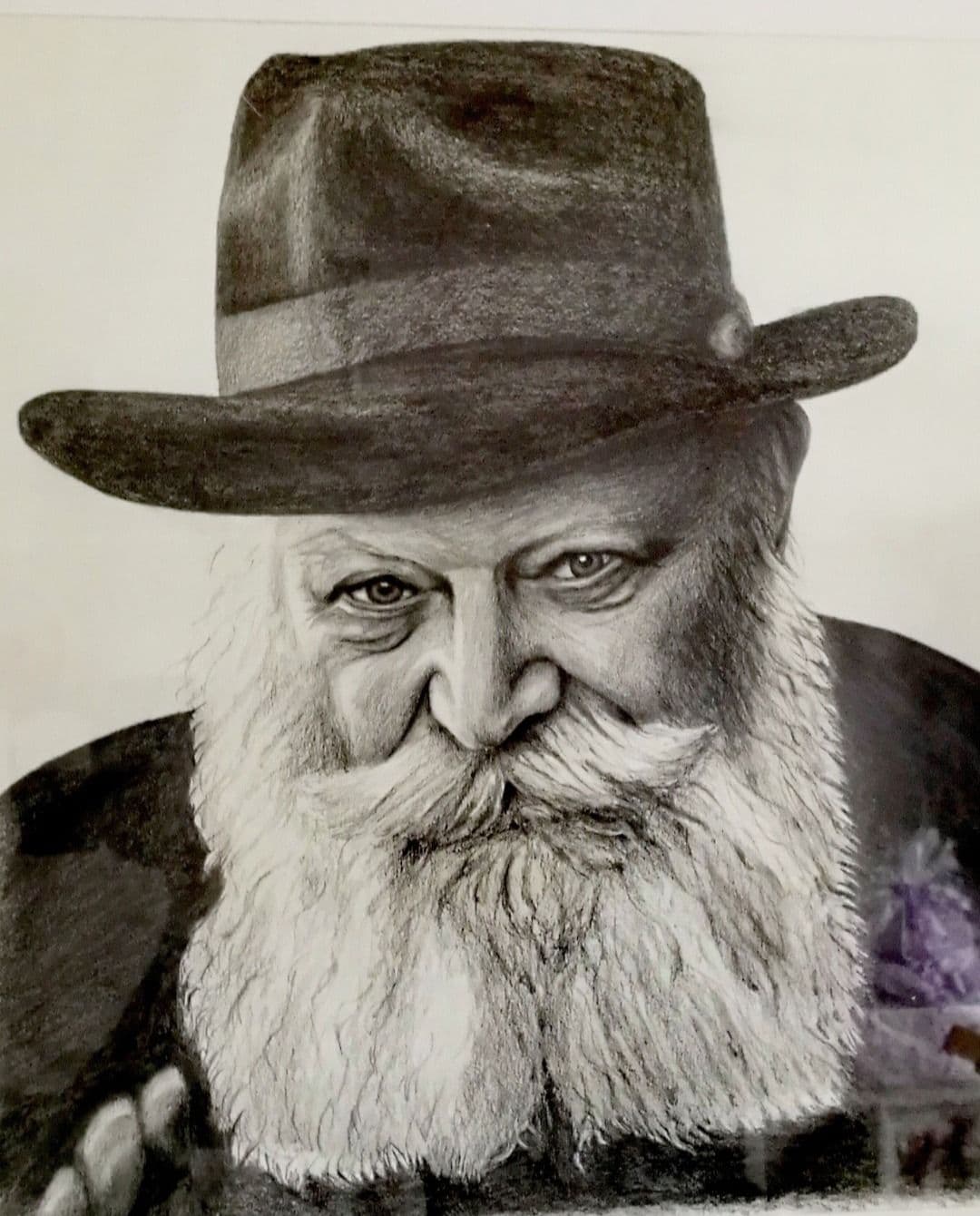
Drawing the Rebbe means drawing a face everyone knows. No one looks at the portrait with indulgence: each person carries a precise image, a gaze, an expression. That is what makes the work demanding, and fascinating.
It all starts with the photograph
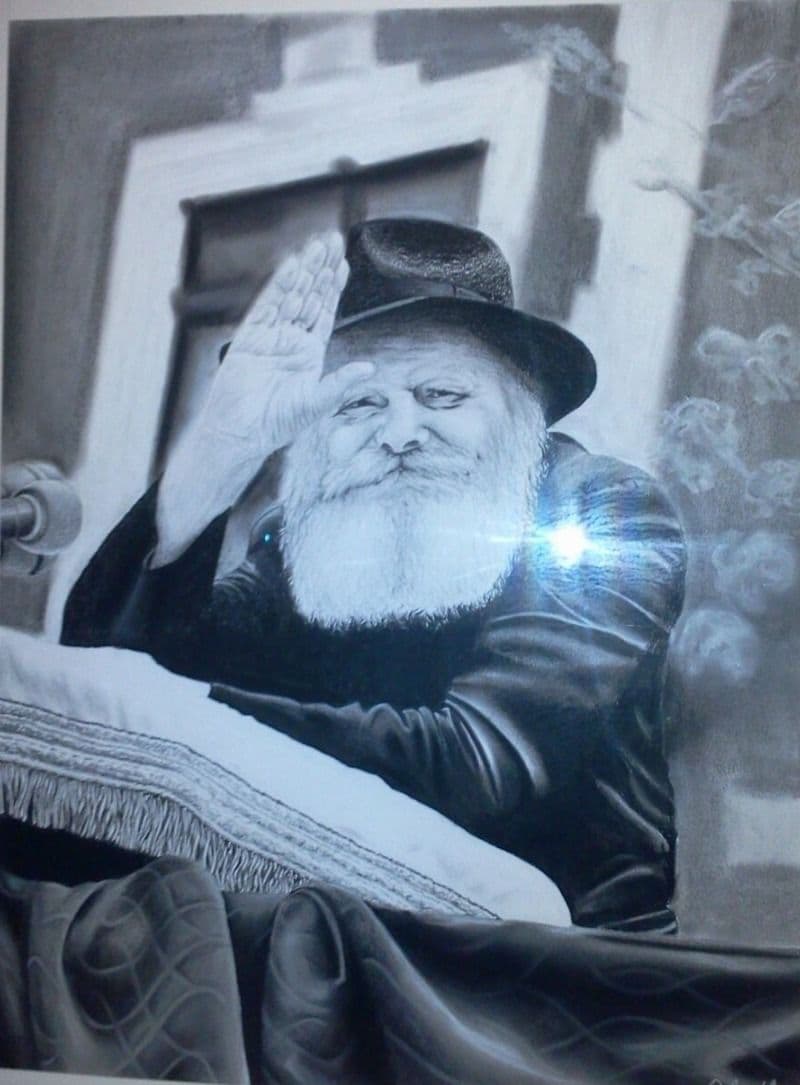
The choice of reference photograph decides half of the result. You need a sharp image, taken fairly close, with light coming from one side: that light is what sculpts the face. A flat photo, lit from the front, will produce a drawing without depth, however many hours go into it.

The gaze first, then the beard
I always start with the eyes. Until they “look back”, there is no point going further. Then comes the beard, the longest part: it is not drawn in white, but built by the shadows around it. The white is the paper you have managed to keep untouched.
In a pencil portrait, light is not drawn: it is held back.
Graphite or charcoal?
Graphite allows extreme precision, ideal for wrinkles and the strands of a beard. Charcoal gives deeper blacks and a freer, more expressive line. The two techniques tell the same face in very different ways.

Framing
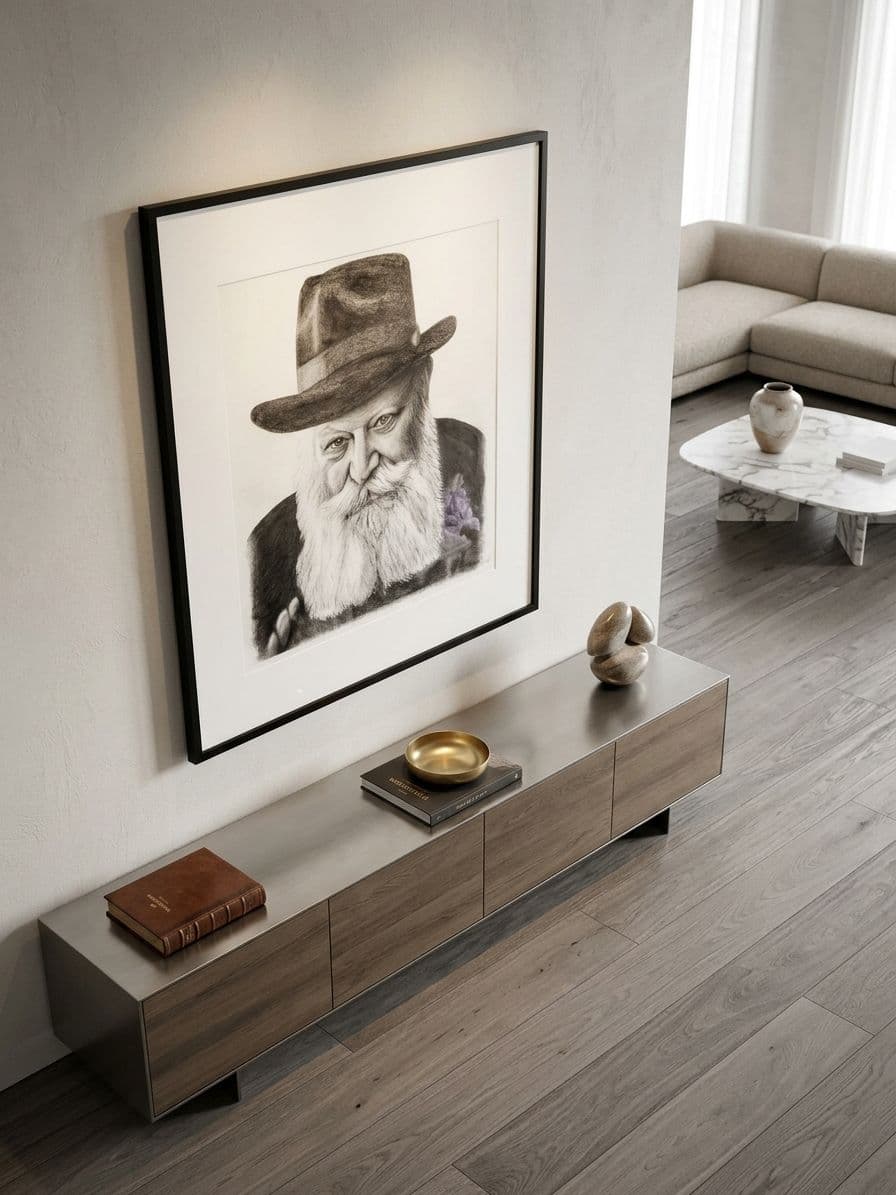
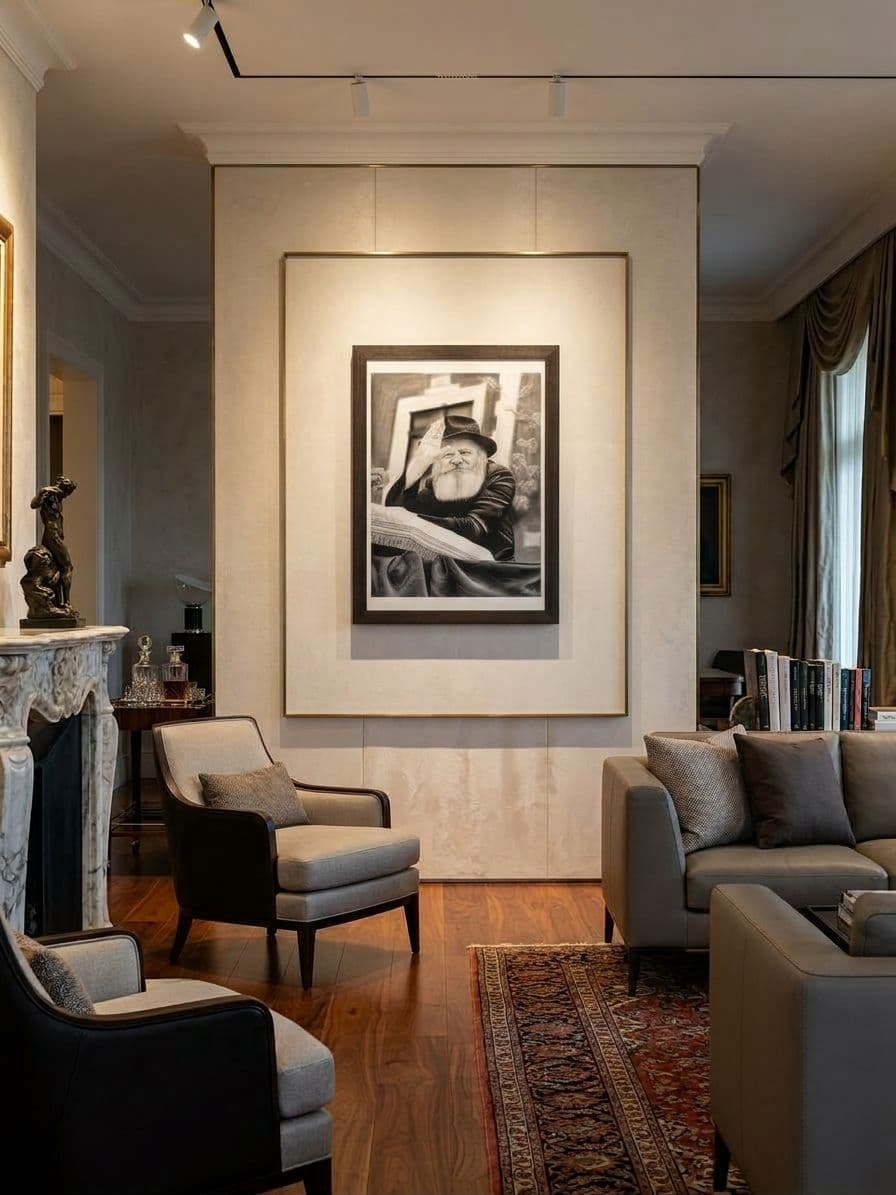
A pencil drawing should always be protected under glass, with a white mount that keeps it away from the pane. A thin black frame is the safest choice: it extends the blacks of the drawing without stealing the show.